Sprains vs Strains - What’s the Difference? | Car Accident Care in Hillsboro, Portland, and Tigard
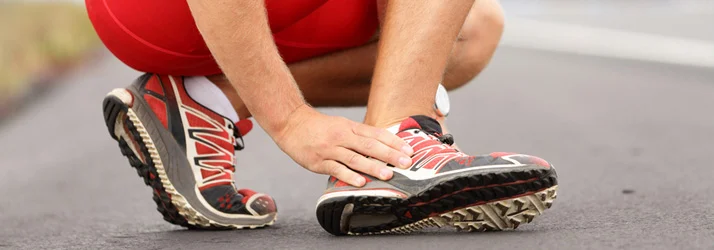
There are two words that pop up perhaps more frequently than any other when it comes to car accidents. Sprains and strains are two of the most common kinds of musculoskeletal injuries, and car accident victims nearly always experience one or both. Some people seem to use each term interchangeably, but there are several important differences.
ICD-10 Changes and Why the Distinction Matters
For the longest time, physicians who treated auto accident victims would simply choose codes that combined sprains and strains into the same single diagnosis. With the updated ICD 10 nomenclature, they separated sprains and strains into separate codes. This is a long-overdue acknowledgment that they constitute separate injuries with their own recovery process. As a matter of fact, each term represents an injury to a different body part.
Sprains vs. Strains: Key Differences
Sprains refer to ligamentous damage. Strains refer to muscle and tendon damage. It is possible to have one without the other, although it’s much more likely that you would have a strain without a sprain than it would be to have a sprain without a strain. Someone with whiplash injuries nearly always has both. Someone who is lifting a dumbbell at the gym and feels a tear in their muscle belly likely has a strain without a sprain. There are various ways that your body can suffer a sprain without the muscles becoming too acutely injured, although the muscles in and around the affected area almost always become hypertonic to protect the area, either immediately or once inflammation sets in.
How Ligaments and Muscles Respond to Injury
Ligaments are usually stretched, torn, or avulsed (ripped away at the attachment) from a bone. Ligaments tend to deform if they are pulled hard enough at once or slowly stretched over time, like a poorly proctored traction machine treatment. As opposed to muscles, which tend to respond, like rubber bands, ligaments are usually stretched like silly putty and rarely return to normal tonicity. Strains are categorized as grade 1, grade 2, or grade 3. Grade 1 characterizes stretching with small tears in the tissue. Grade 2 is a larger, but incomplete, tear of the tissue. Grade 3 is a complete tear. Grade 1 strains cause mild pain and minimal loss of function, usually. Grade 3 requires significant recovery time, usually surgery, and can lead to lifelong disability.
Long-Term Impact of Sprains
Significant joint sprains often render a joint unstable for the rest of a person‘s life. A good deal of therapy and reeducation is often required in order to provide as much muscular stability from the periphery as possible. Mechanical bracing, like a neck collar or a firm, prescribed lumbar brace, is often recommended to provide external, mechanical stability. Sometimes, the best that you can do is to adjust hypomobile areas around the sprain to ensure the minimum amount of stress to the injured area. One of the reasons that there is such a prolonged healing time for sprains is the limited blood supply to ligaments versus muscles.
Advanced Treatment: Class 4 Therapeutic Laser
Of the things that we use in the clinic to heal soft tissue injuries, one of the most effective in the case of acute sprains and strains is a Class 4 therapeutic laser. When I was first introduced to therapeutic lasers, we were using class 3 lasers in the clinic at chiropractic school. And 20 years ago, we were able to see significant reductions in pain, accelerated tissue healing, and restoration of function to a greater degree than those who did not receive this treatment. These days, we have class 4 lasers available, which apply a great deal more energy, at more sophisticated frequency cycles, in a fraction of the time that was required with class 3 lasers. Early and frequent treatment with laser therapy leads to better short term and long-term therapeutic outcomes
Schedule a Consultation
If you have any questions about sprains, strains, car accident care, or therapeutic lasers, please contact the clinic at your earliest convenience and schedule a free consult. We’ll see if you’re dealing with a muscle problem or ligament problem and whether or not laser therapy would be beneficial to you.